Last Updated on July 21, 2026 by Admin
Obuasi Municipality is experiencing a sharp increase in flood vulnerability, with newly released flood-mapping data revealing that the area exposed to flooding has expanded by nearly 77 percent over the past five years as vegetation cover continues to decline.
The findings, contained in the Municipality’s emerging Structure Plan, indicate that flood-prone land increased from 135.16 hectares in 2020 to 238.74 hectares in 2025. The municipality’s flood signature—the proportion of land showing evidence of flood exposure—also rose from 1.22 percent to 2.16 percent of Obuasi’s estimated 109-square-kilometre land area.
The figures point to growing environmental pressures associated with rapid urbanisation, land-use changes, and climate-related risks.

Stakeholders Deliberate on Obuasi’s Future Development
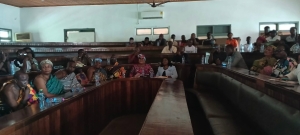
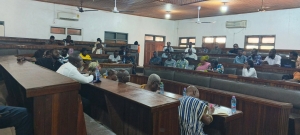
The findings were presented by the Municipal Physical Planning Officer, Madam Agnes Amoah, during a stakeholder engagement organized by German Development Cooperation (GIZ) as part of the preparation of the Obuasi Municipal Structure Plan.
The forum brought together Assembly Members, traditional authorities, Unit Committee members, heads of departments, technical officers, and other stakeholders to review spatial development trends and discuss strategies for ensuring sustainable growth across the municipality.
Presenting the analysis, Madam Amoah highlighted the increasing environmental challenges confronting Obuasi, stressing that the municipality’s changing land-use patterns are significantly contributing to rising flood risks.
MCE Urges Residents to Protect the Environment
Delivering the opening address, the Municipal Chief Executive (MCE) for Obuasi, Honourable Faustilove Appiah Kannin, called on residents to become active custodians of the environment.
She urged communities to embrace environmentally responsible practices and support the Assembly’s efforts to restore and preserve green spaces, noting that environmental protection is essential to safeguarding lives, property, and future development.

According to the MCE, building a resilient municipality requires the collective commitment of residents, traditional leaders, institutions, and the private sector.
“Protecting our environment is a shared responsibility. Every tree preserved, every waterway protected, and every responsible planning decision contributes to making Obuasi safer and more resilient,” she emphasised.

Declining Green Cover Increasing Flood Vulnerability
Analysis contained in the Structure Plan attributes the growing flood exposure largely to the steady loss of vegetation between 2020 and 2025.
Large portions of green spaces have been converted into residential developments, commercial facilities, road infrastructure, and other built-up areas to accommodate the municipality’s expanding population and economic activities.
Environmental experts explain that vegetation serves as a natural defence against flooding by absorbing rainfall, improving soil infiltration, reducing surface runoff, and slowing the movement of stormwater into rivers and drainage channels.
As natural vegetation gives way to impermeable surfaces such as concrete and asphalt, rainwater is unable to infiltrate the ground efficiently, resulting in faster runoff, overloaded drainage systems, and increased flooding—particularly in densely developed and low-lying communities.

Rapid Urbanisation Demands Sustainable Planning
The increasing flood risk comes at a time when Obuasi continues to experience rapid urban expansion, rising population growth, and increasing demand for land.
Municipal planners have identified climate resilience, environmental sustainability, and disaster risk reduction as central pillars of the new Structure Plan, which will guide future land use and physical development within the municipality.
However, the latest assessment suggests that environmental vulnerability is growing faster than mitigation efforts, highlighting the urgent need for stronger development controls and improved environmental governance.
Planning experts caution that expanding drainage infrastructure alone will not adequately address the problem. Long-term flood resilience, they argue, will depend on protecting natural waterways, restoring degraded vegetation, preserving wetlands, enforcing land-use regulations, and preventing unplanned development in flood-prone areas.

Stakeholders Call for Collective Action
Participants at the stakeholder engagement underscored the importance of stronger collaboration between the Obuasi Municipal Assembly, traditional authorities, developers, civil society organisations, and local communities.
They stressed that safeguarding Obuasi from the increasing impacts of climate change will require coordinated action to promote sustainable land use, restore the municipality’s green cover, and integrate environmental protection into all aspects of urban development.
As Obuasi continues to grow, stakeholders believe that balancing development with environmental conservation will be critical to reducing future flood risks and building a more resilient municipality for generations to come.